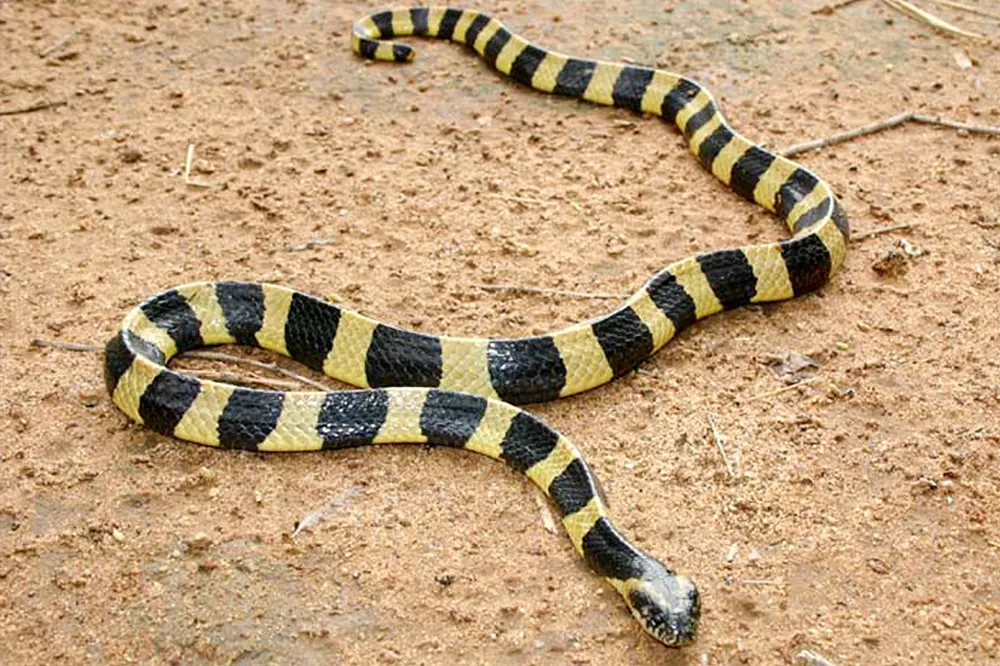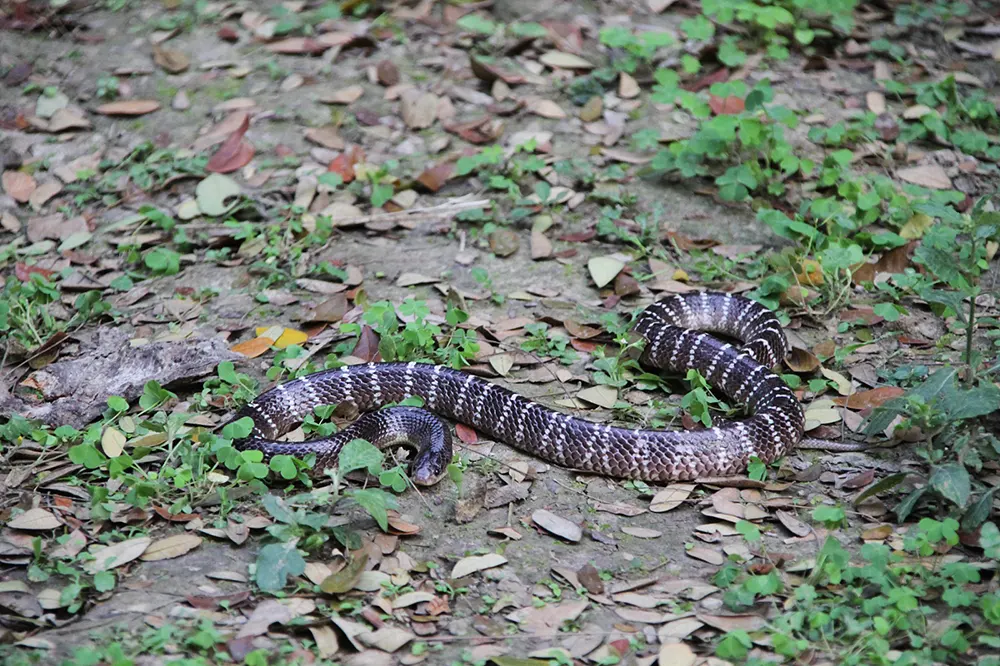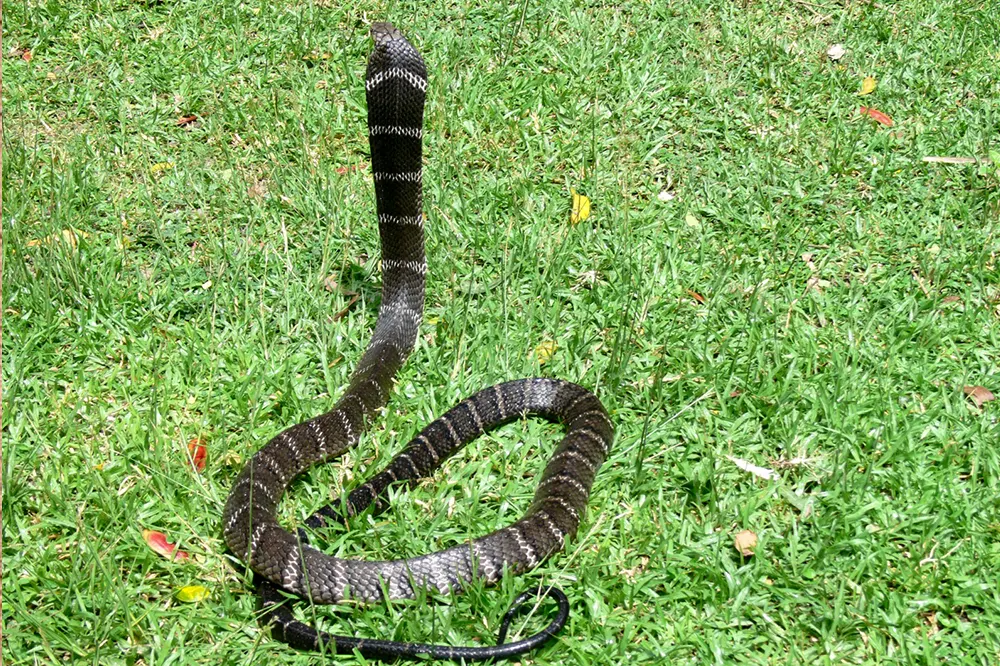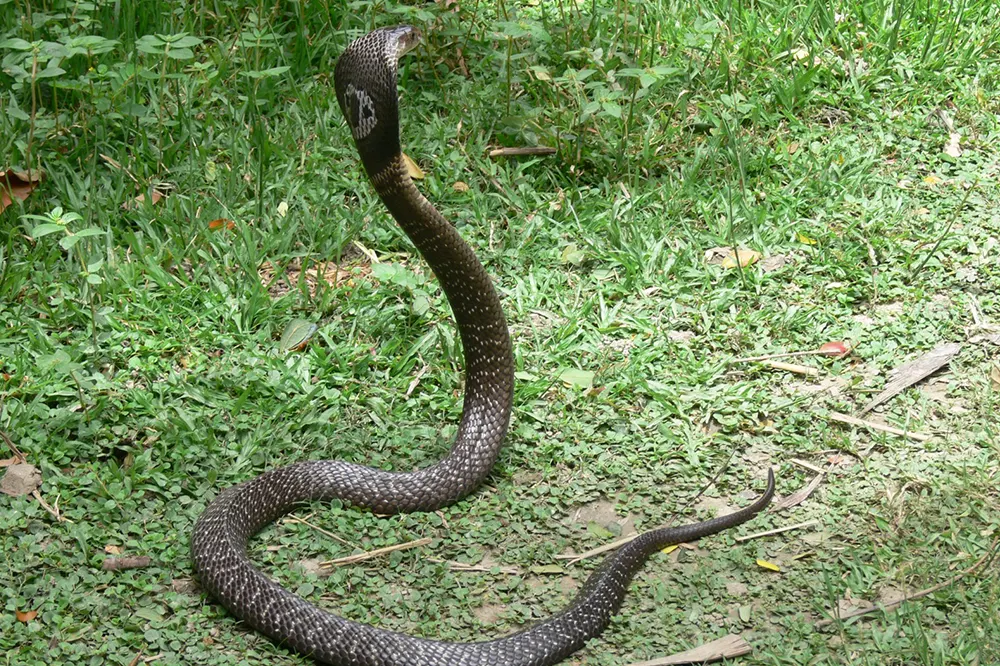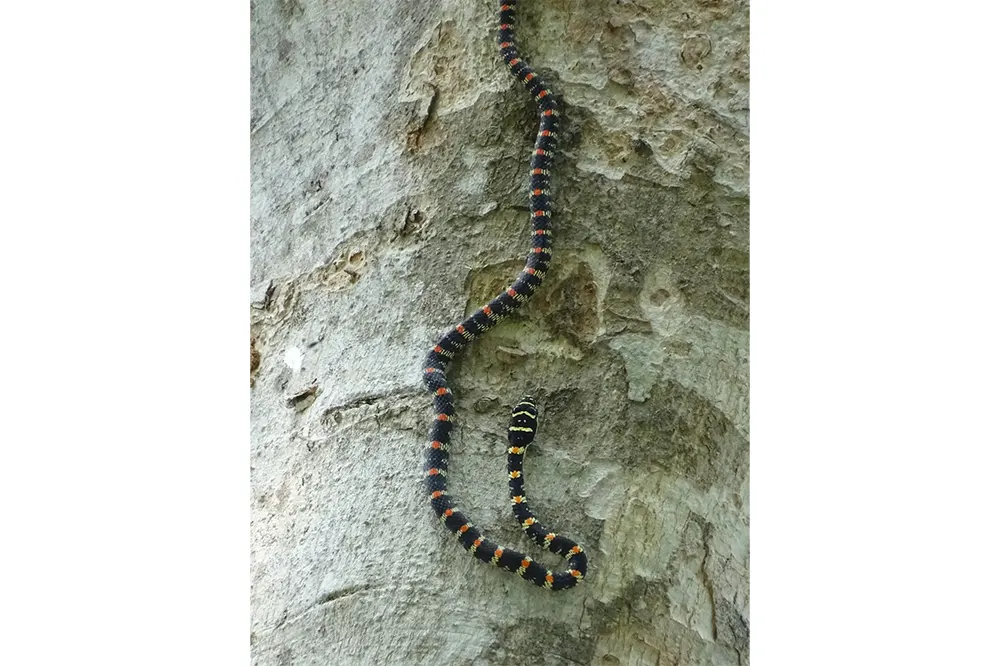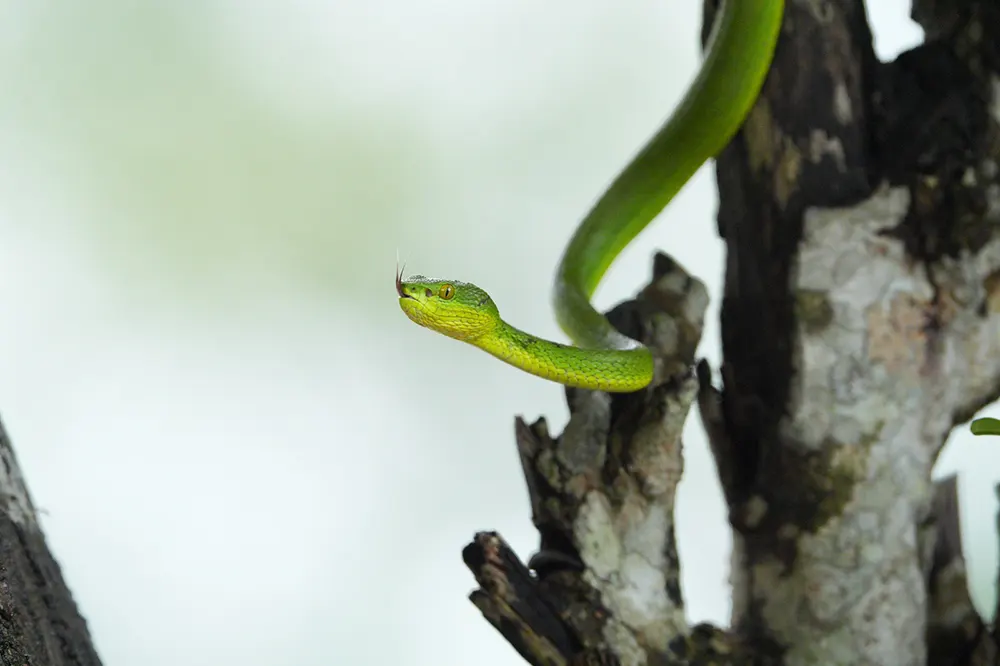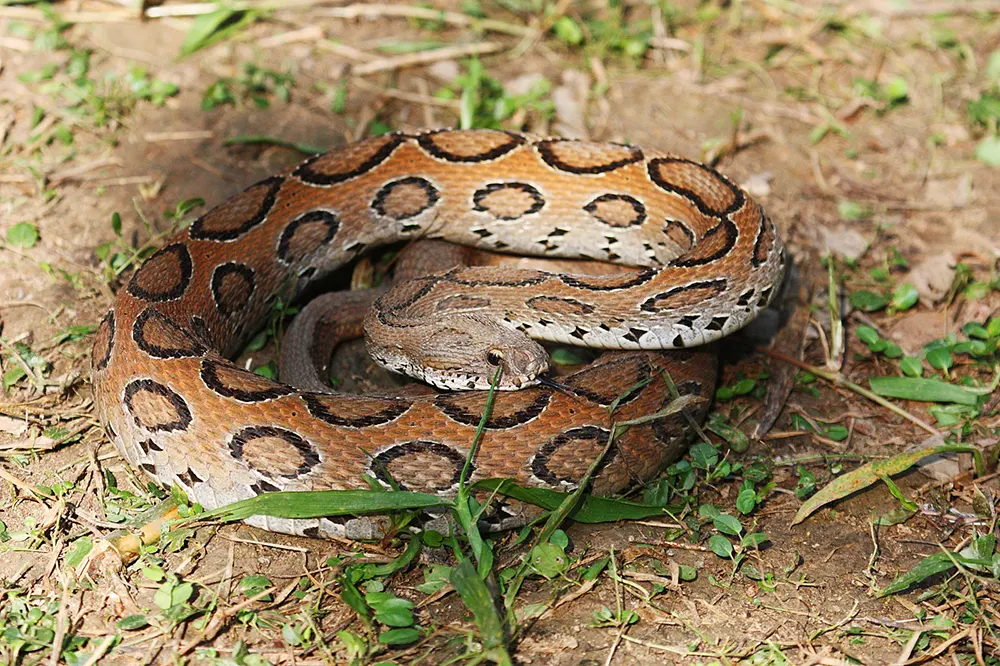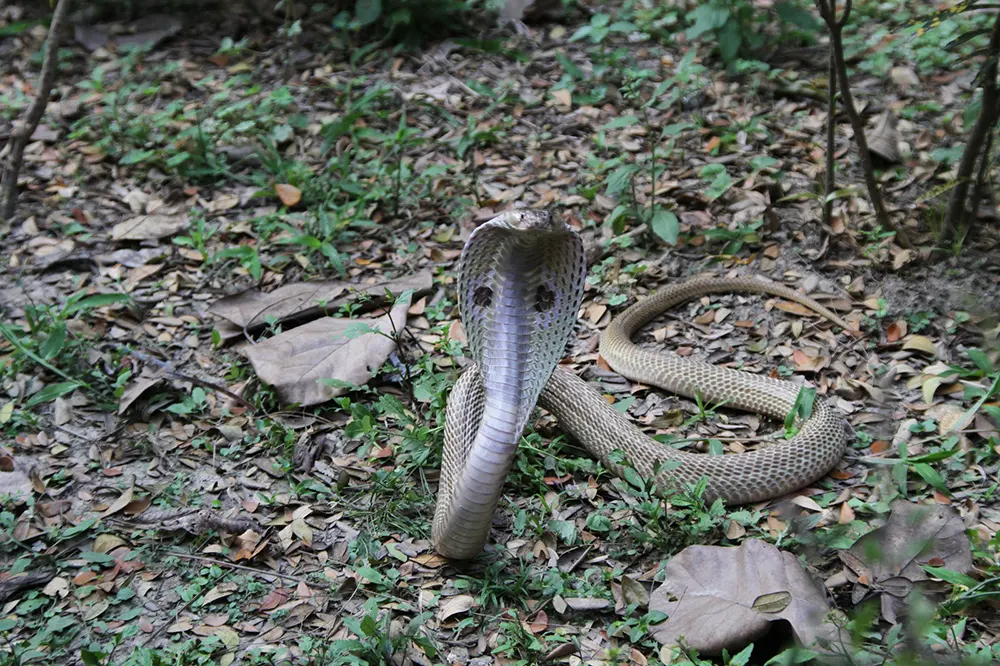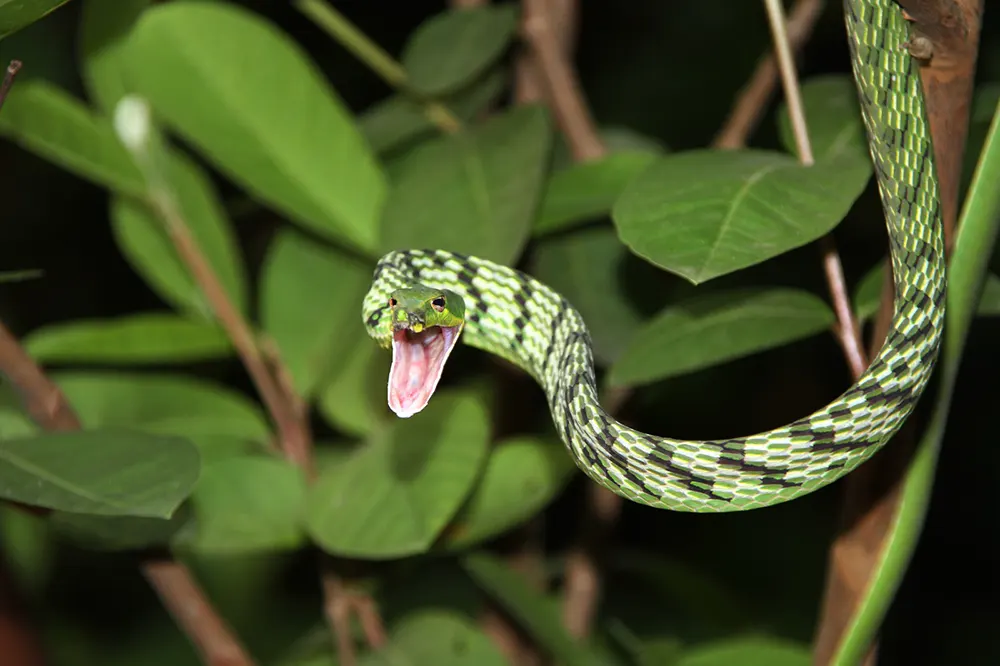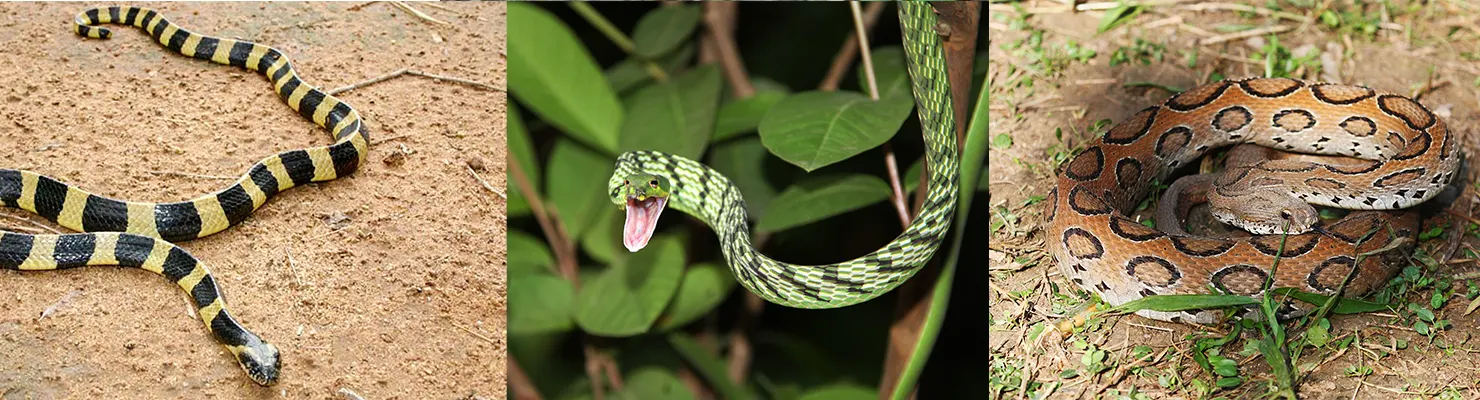
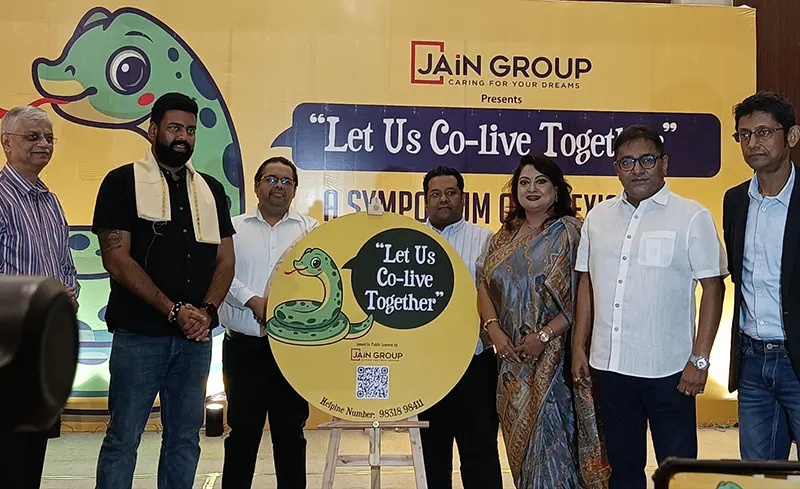
 Held on 5th July’26, “Let Us Co-live Together” turned out to be an engrossing session on a contemporary situation in New Town- Rajarhat around increasing human-snake conflicts. This area has witnessed rapid urbanization in the past couple of decades leading to rapid depletion of wildlife – including snakes – leading to faunal forms exhibiting a higher propensity of conflict with humans than before, and vice versa. Doubtless, a scenario that is being played out in several urban and semi-urban zones in the country.
“Let Us Co-live Together” aimed to underline the fact that these ectothermic reptiles are simply animals like others trying to adapt to the massive human-induced shift in their environment in recent years. If development compels humankind to invade wildlife strongholds, the least we, as humans, can do is be aware and alert about ways to “co-live together.”
The inaugural speaker of the session, Dr. Dhriti Banerjee, Director – Zoological Survey of India, lightheartedly remarked how the entertainment industry in India has glorified snakes and made them larger-than-life, infinitely fearsome and lethal. However, in reality this is certainly not the case as only a small percentage of snakes are venomous. India, as a nation, has had a long religious and cultural association with snakes which is one of the precise reasons why we should continue to treat them as vital members of a healthy ecosystem. Snake bites from venomous snakes can lead to disfigurement and disability and even death. Awareness is paramount, therefore, to understand how to avoid snakebites and what to do in the case of an unfortunate situation.
In her speech, Dr. Banerjee said, “ZSI works on a multi-pronged programme that aims to protect citizens through outreach events that incorporate policy intervention and awareness of health and medical facilities for humans on the one hand, as well as arrest snake mortality caused from half-knowledge and sheer panic of humans on the other.” ZSI’s team of reptilian experts work on gathering the latest details and data on known species and as well as discovering new ones. It is an ongoing drive in the organization to enable humans and snakes to “co-live together”, she added.
Mr. Tarunjyoti Tewari, MLA – West Bengal from Rajarhat- Gopalpur assembly constituency, an ardent wildlife photographer himself, begun his speech with the profound Native American quote – “Only when the last tree has been cut down, the last fish has been caught, and the last stream poisoned, will we realize we cannot eat money.” A local, he recounted how he has observed many birds and animals disappearing over the years from Rajarhat – Gopalpur area as human settlements kept invading their habitats. He felt this was essentially because humans were supposedly the superior race and wildlife had been unable to hold its own against the onslaught. But the situation could have been managed to ensure human-wildlife coexistence, he said.
Mr. Tewari stressed the importance of giving each wild animal its due and cited examples of how he has personally witnessed peaceful co-existence of humans and wild animals in remote villages in West Bengal – a possibility worthy of replication in suitable ways elsewhere.
While it is true that India records the highest number of deaths caused by snake bites, it is equally shocking that countless non-venomous snakes are eliminated out of sheer panic. “Awareness, especially among the masses who have the highest possibility of encountering venomous snakes, coupled with increased medical facilities in far-flung rural areas are requisites to ensure humans and snakes are able to “co-live together”, said Mr. Tarunjyoti Tewari.
Mr. Shiladitya Chaudhury, Director – Sagittarius and Editor- Environ, wildlife photographer and a keen naturalist, said that the theme of the talk show organized by the Jain Group was eminently pertinent as it was related to the issue of human- wildlife conflict currently taking place on the fringes of the city. Snakes, that had absolute right of passage in a locality as Rajarhat-Gopalpur earlier, had run out of living spaces owing to urbanization. This had led to the inevitable situation of a conflict resulting in increased number of snake bites. Both humans and snakes were caught in the vortex of confusion and fear and the situation was detrimental to both groups.
He mentioned that statistics were often inaccurate as not all snake bites are reported, so it is possible that we do not know accurately how many are affected by snake bites. The need of the hour is to explore ways and means so both forms of life are able to co-live together, and for awareness to prevent and deal with snakebite, Mr. Chaudhury said.