
What Lies Ahead for the Royal Bengal Tiger?
In 2023, India celebrated 50 glorious years of Project Tiger. When the nation became independent in 1947, the tiger count in the country was estimated to be between 40,000 – 50,000. But, when the first official tiger census took place in 1972, the results were appalling – the animal was tethering on the brink of extinction with an abysmal count of less than 2000. The first all-India tiger census figure via pugmark tracking identification, the traditional method used at the time, put the number at 1827.
The findings of the tiger census were enough to numb the nation into shock and disbelief. It was a definitive SOS call. India’s national animal and pride was fast going extinct and quick intervention was needed from getting it wiped out altogether. It ensured the formal launch of Project Tiger in 1973.
Project Tiger, a landmark conservation project for India, was launched on April 1, 1973 at Jim Corbett National Park, Uttarakhand (part of Uttar Pradesh back then) by Prime Minister, Indira Gandhi. Five decades later, Prime Minister Narendra Modi led the grand 50th anniversary celebrations of Project Tiger on April 9, 2023 in Mysuru, Karnataka and highlighted the key announcement of the latest official count of the tiger population – a healthy 3167.
Today, India holds 75% of the world’s tiger population and the official figure available indicates an estimated 3682 tigers living across 58 protected reserves.
While we may pat our backs for the collective efforts of countless people putting in dedicated conservation work over the decades to ensure this success, what lies ahead for India’s national animal and pride?
Future of the Royal Bengal Tiger – Fit or Fragile?
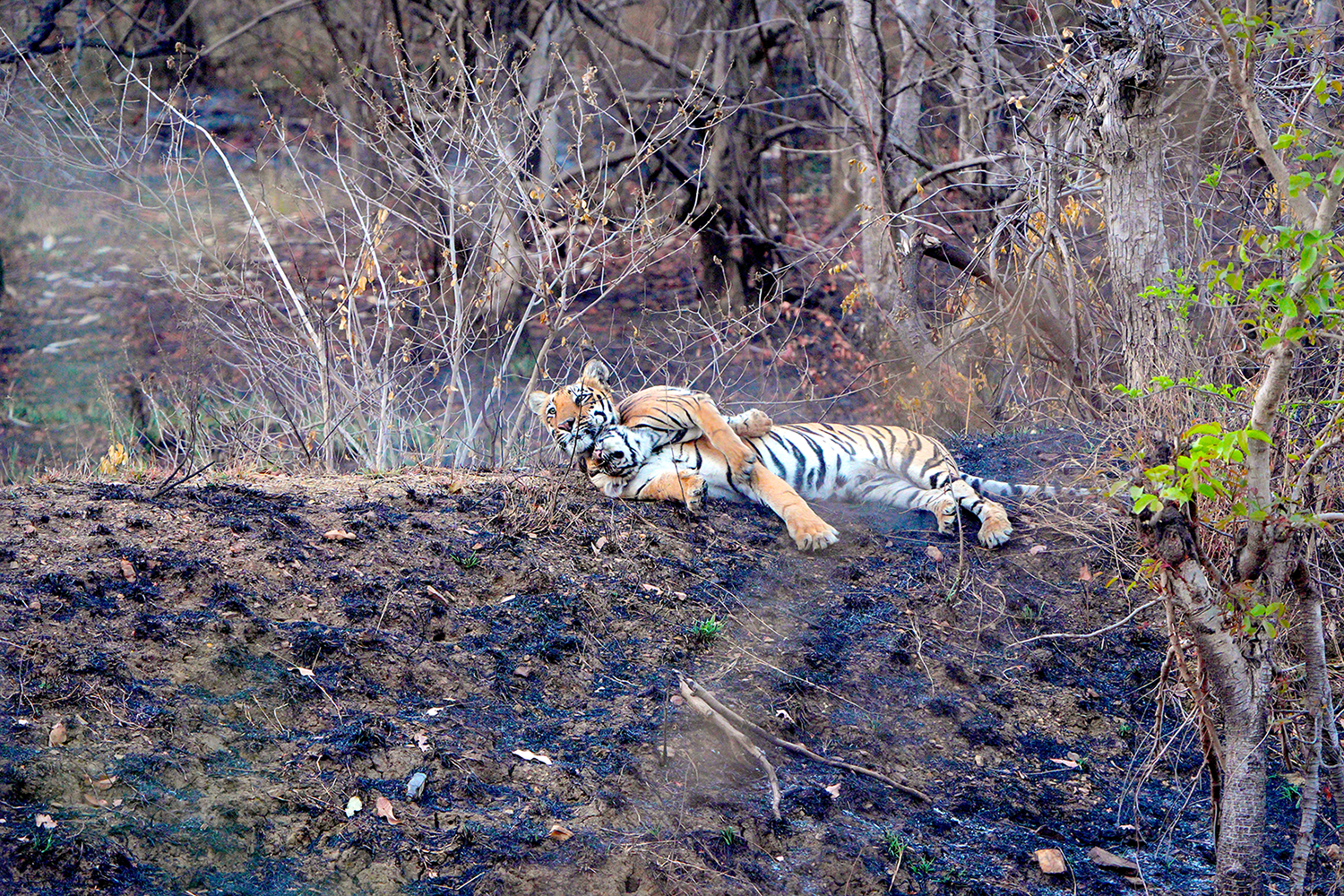
I am not taking away the sense of justifiable national jubilation and pride of Project Tiger completing 50 remarkable years in 2023; neither the number of reported tiger deaths dipping in 2024 or the fact that today India is home to 75% of the world’s tiger population. I am somewhat relieved that the core premise of the nation’s tiger population dipping in 2025 (166 tigers were lost in one year) has proved that the higher rate of tiger mortality in the year was due to territorial fights from overcrowding and may be managed going forward.
But I am concerned that this continues to be a major reason for tiger mortality in 2026 as well. As we press forward with our development projects, several of which are invading even core areas of tiger reserves, how will tigers cope with the space crunch? Experts I have spoken to feel that infighting is only likely to increase further.
As of now, India’s statutory oversight and judicial intervention give me hope. The National Tiger Conservation Authority monitors mandatory Tiger Conservation Plans to keep core areas legally inviolate. The Supreme Court of India heavily restricts commercial construction and completely bans tiger safaris inside critical tiger habitats, confining them strictly to degraded or non-forest buffer land.
In my opinion, the way out involves a three-pronged strategy.
One, Strict Landscape Zoning – When it comes to core areas, leave developmental and infrastructural projects out. Take another route – maybe circumventing the area, go through buffer areas if absolutely necessary.
Two, Create Corridor Movement and Protection – Create and secure external migratory corridors between adjoining reserves. This will prevent isolated genetic populations as well as maintain core breeding grounds.
Three, Promote Community-centric Conservation – Channel eco-development and sustainable tourism with local communities in the outer buffer zones. Promote local homestays. Ensure transparent and voluntary village relocations by proper legal consent under the Forest Rights Act.
Several bottlenecks that persist despite well-meaning conservation efforts, often creating high-friction battleground when it comes to implementing policy decisions. Current infrastructural and development demands like expanding railways, highways, transmission lines, and mining continue to push heavily against protected boundaries.
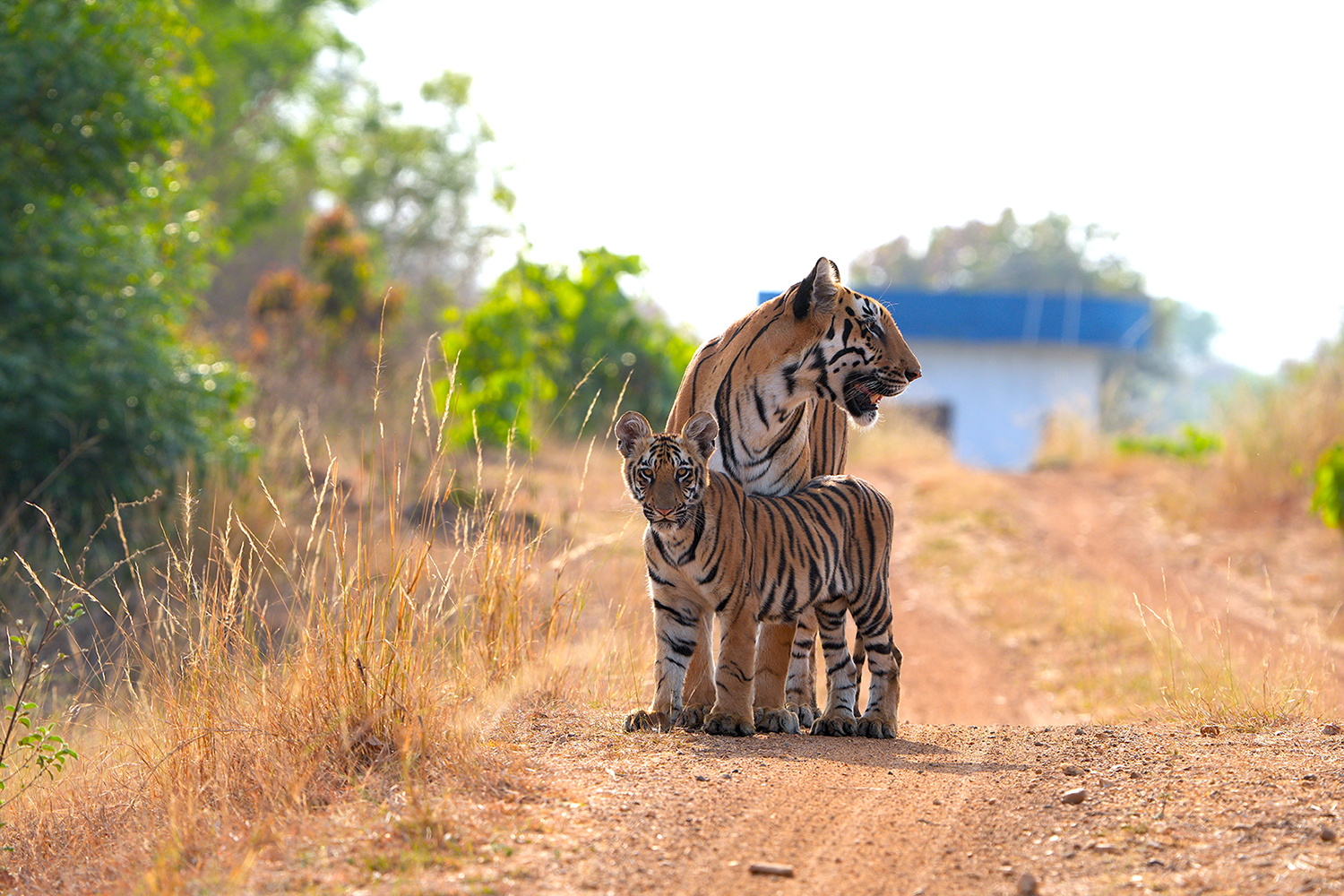
The legacy of Project Tiger should remain a bright chapter in the chronicles of Indian wildlife history. The tiger should continue to roam free in the forest, safe its natural habitat. Collectively, we must ensure this.
Mapping the Major Milestones of Tiger Conservation :
- Project Tiger Launch – Launched on April 01, 1973, at Jim Corbett National Park in Uttarakhand to ensure a healthy and viable population of tigers in India.
- Invoking Wildlife Protection Act of 1972 and strengthening of laws – Came into considerable importance after the launch of Project Tiger and provided a legal framework for the protection of endangered species, restricting hunting, and prohibiting commercial exploitation. Laws were declared to safeguard natural habitats and protect wildlife ecosystems.
- Tiger Census of 1972 and 1979 – The first official tiger census in 1972 showed a meagre population of 1827 and set off the process of tiger conservation including the official launch of Project Tiger. The tiger census of 1979 is believed to be more refined and the numbers were higher validating the efficacy of Project Tiger.
- Major Poaching Crisis of 1983 -84 – This period saw a huge surge in organized poaching networks with big numbers of tiger skins and bones being smuggled to Chinese medicine markets. Sariska and Ranthambore Tiger Reserves were badly affected. Government response included formation of anti-poaching forces, deployment of increased number of forest guards, stricter penalties under Wildlife Protection Act, and increased international collaboration, particularly with Interpol.
- Expansion of Tiger Reserves by late 1980s – The number of tiger reserves had gone up to 15 from the initial 9 (covering 18,278 sq. kms) and now covered 24,700 sq. kms. approx.
- Tiger Population Decline of 1993 – Despite initial success, the 1993 tiger census threw up a worrying trend. Numbers had dropped once again due to poaching and habitat loss. Unregulated tourism in tiger reserves, corruption of government officials and inefficiency, strong poaching syndicates were the major causes. The governmental actions included formation of tiger protection units, community engagement programmes, and additional funding to Project Tiger.
- Sariska Tiger Reserve Controversy and Formation of NTCA in 2005 – Making headlines globally was the shocking result of an investigation at Sariska, Rajasthan, that reported that all tigers in the reserve had disappeared due to poaching. The investigative report revealed that there were severe lapses in conservation efforts, corruption at multiple levels in government personnel and called for better monitoring. It led to the formation of the National Tiger Conservation Authority and relocation of tigers from Ranthambore to Sariska.
- Camera Trap and DNA Analysis Introduction in 2006 – Under the guidance of the NTCA and WII (Wildlife Institute of India), enhanced techniques to estimate tiger numbers were introduced. These included camera traps for capturing tiger movements and DNA analysis of scat samples for individual tiger identification.
- Strengthening of Laws after lowest recorded tiger population in 2006 – The new census technique provided a far more accurate population estimate and NTCA revealed the shocking figure of only 1411 tigers. This was one of the critically lowest-ever recorded tiger populations in the country and called for further strengthening of conservation laws.
- Global Tiger Summit and Tiger Population Revival Plan in 2010 – India hosted the Global Tiger Summit in St. Petersburg, Russia. The nation pledged to double tiger population by 2022 under the TX2 initiative.
- Major milestone – India became home to 70% of the world’s tigers in 2014.
- A New Record of Over 3000 tigers in 2018-19 – The 2018-19 census reported 2967 tigers making India the country with the largest tiger population in the world. Several conservation innovations like the AI-powered predictive analysis system were introduced to map tiger movements. Number of tiger reserves went up to 54 spanning over 75000 sq. kms. More thrust was given to strengthen human-animal conflict management.
- Celebrating 50 successful years of Project Tiger – The nation reaffirmed its commitment to safeguarding the national animal and wildlife as a whole. The official count of tigers was declared as 3167. Future focus areas are mapped. International Big Cats Alliance is launched.
- Tiger Census of 2026 – India’s sixth All India Tiger Estimation (AITE) began in January 2026, covering 4,00,000 sq. kms of forest. Led by NTCA and WII, it uses technologically advanced methods and consists of three Census Phases. The final report is expected in 2027.

-Shiladitya Chaudhury, Editor – Environ
TAGS –
